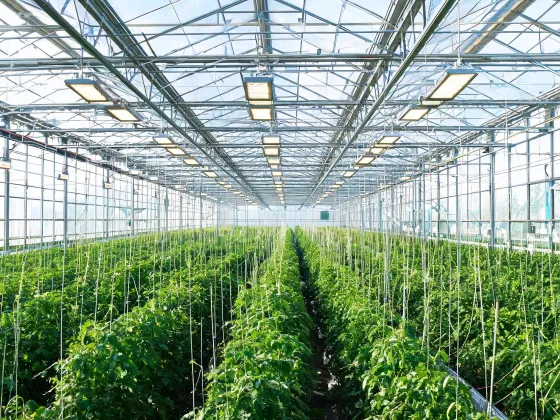
Daylit greenhouses
Supplemental light must respond to seasonal solar availability and structural shadows. We evaluate daily light integral contribution, row orientation and fixture placement so electric light supports—not fights—the glasshouse.
A greenhouse, multi-tier farm and research chamber may seek similar photon targets, yet their daylight contribution, airflow, mounting access and operating cadence are fundamentally different. Our application approach begins with those differences.
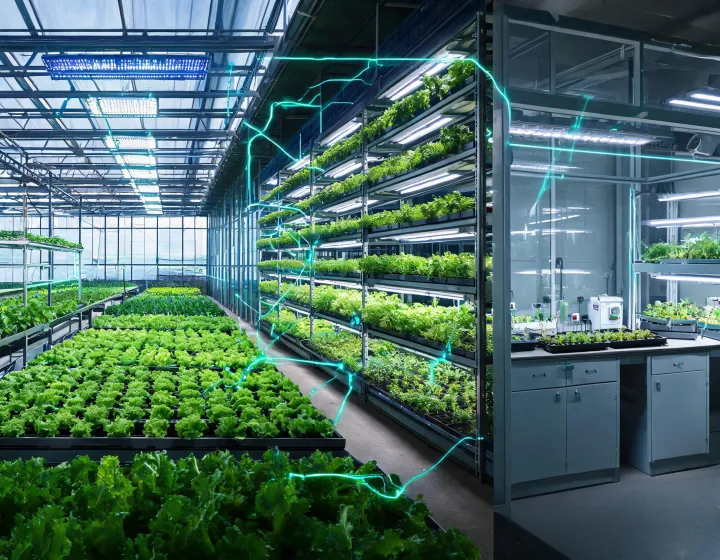
Supplemental light must respond to seasonal solar availability and structural shadows. We evaluate daily light integral contribution, row orientation and fixture placement so electric light supports—not fights—the glasshouse.
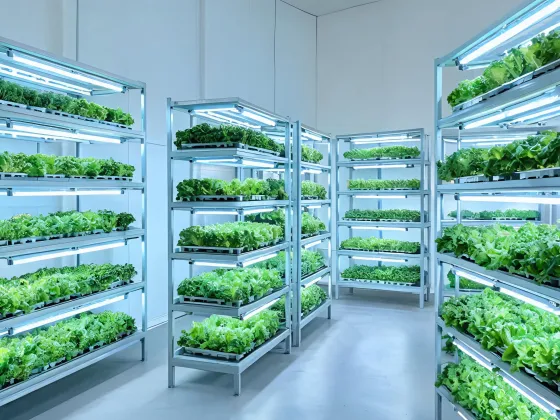
Close mounting distances amplify the importance of uniformity, thermal behavior and physical access. Linear layouts are coordinated with rack dimensions, airflow and sanitation routines to protect usable growing volume.
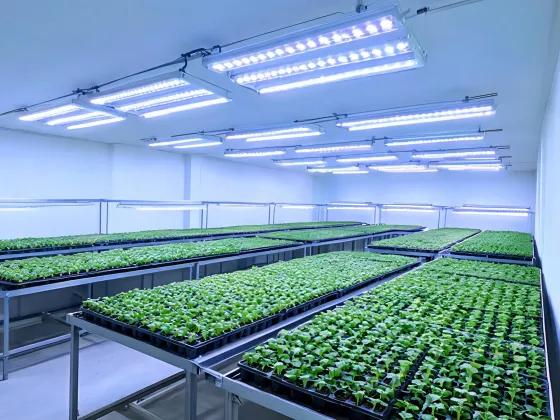
Young plants need deliberate intensity and photoperiod management. Zoning helps teams adjust stages without moving an entire room to the same output, while documented settings support consistent handoffs.
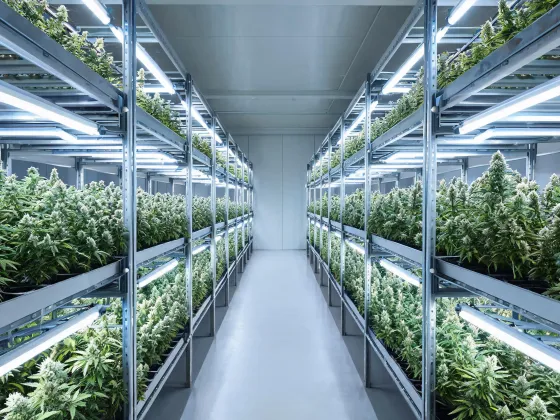
Dense canopies place demands on distribution, heat removal and electrical coordination. The plan considers edge performance, service access and dimming headroom rather than relying only on central peak PPFD.
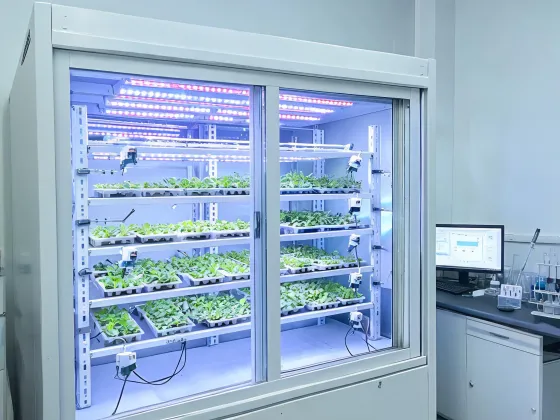
Repeatability takes priority over visual drama. Clearly recorded spectrum, intensity, photoperiod and measurement position make future trials easier to compare and replicate.
A greenhouse strategy may use sensing and seasonal schedules, while a fully enclosed room owns every photon and operating hour.
Fixture spacing must account for truss shadows, rack widths, working clearances and the crop’s changing distance from the luminaire.
Humidity, cleaning methods and ambient temperature shape enclosure, connector and thermal decisions before installation.
Labor shifts, utility tariffs and crop stages influence when and how zones should run, ramp or pause.
Share the usable canopy, facility constraints and crop schedule for a context-led review.